Tom Suddard said:
We’ve got gripes with the infotainment system–it’s a little clunky and a little prone to crashing–but for an economy car, everything felt fine and worked well.
Its $50k and gets terrible gas mileage

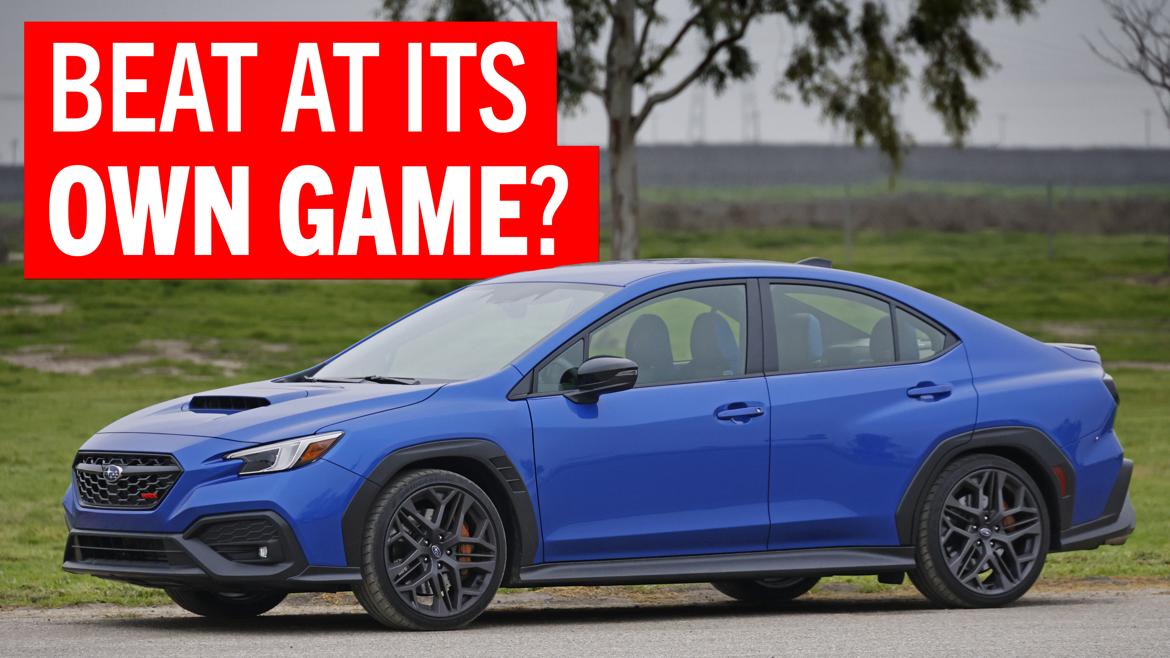
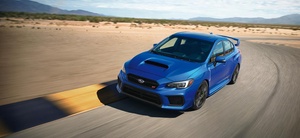
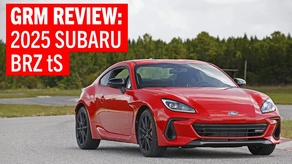
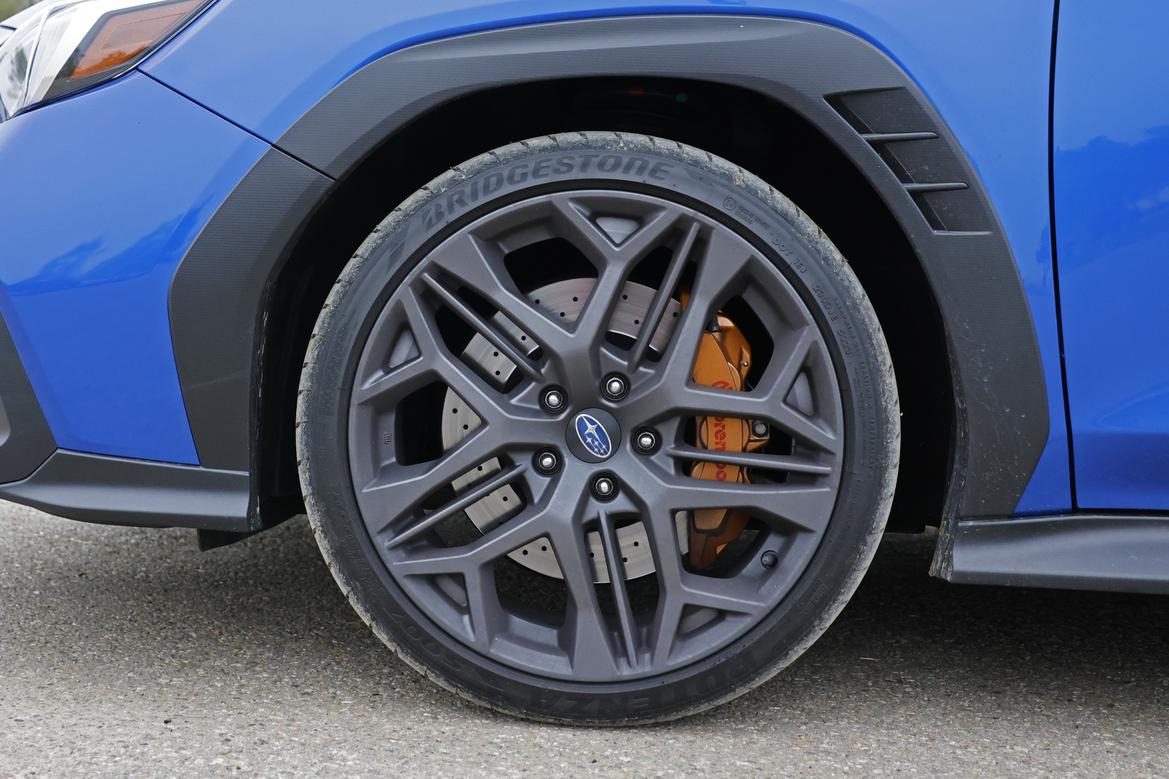
Is there a place in the modern world for Subaru’s aging WRX? The car’s highest trim has been the tS package for a few years now, adding adaptive shocks, stiffer springs, fancy wheels and big, six-piston Brembo brakes to a six-speed WRX.
There’s also one automatically added “accessory” called the STI Starter Switch. It’s an STI logo on the start button that seems to exist solely to remind you of what could have been. Our own track review was less than positive: This car is slower than the competition, more expensive yet doesn’t feel as premium. Tough sell for a $48,875 car, which we declared “as much of a cult object as a market object.” Most car purchases aren’t made fully rationally, anyway.
But maybe there’s a rational situation to buy the tS: What if this isn’t a track star or a luxury car but rather an angsty commuter car for those battling urban jungles?
Subaru tossed us the keys for nearly two weeks and 700 miles of Los Angeles’ brutal highways and egregious traffic, giving us plenty of time to see if the WRX could shine in a different environment.
Let’s get some bad news out of the way first: This thing doesn’t look any better in person, a fact reinforced by comments from nearly every single person we showed it to. They’d usually exclaim something like, “That’s the ugliest WRX I’ve ever seen!” And that means a lot from the model that gave us the bugeye and the blobeye. In fact, the only unqualified positive comments we got on the appearance were from a fellow new WRX driver: “Is that the tS?! Cool!”
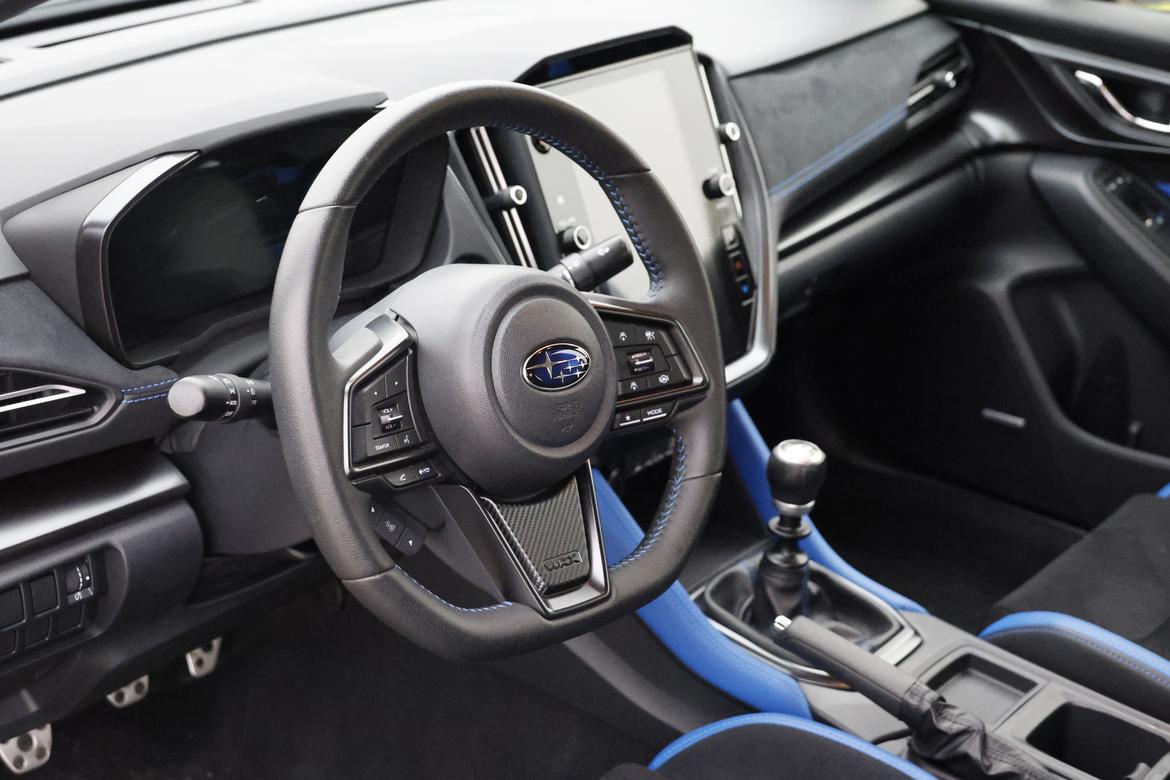
Fortunately, you can’t see the exterior when you’re inside, and the interior is generally a nice place to be. We’ve got gripes with the infotainment system–it’s a little clunky and a little prone to crashing–but for an economy car, everything felt fine and worked well.
The Recaro seats are supportive and look great, but we were in pain after a few hours straight in them. And the bright-blue door panels? Big “The Fast and the Furious” vibes, though not entirely in a bad way. All we’re saying is that movie holds up. Bonus points for a huge trunk with a big opening, making this a very “real” car by normal standards.
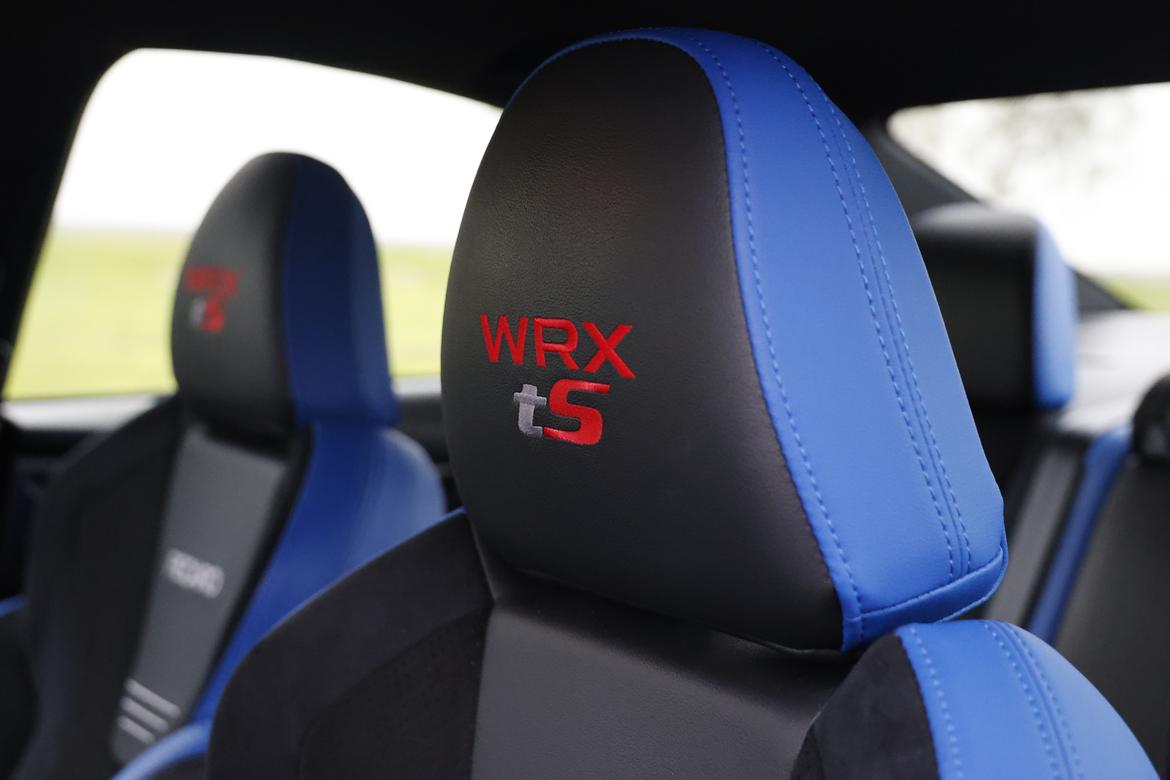
So, how’s the driving experience? Fighting a city in a sports car is usually an exercise in frustration, but we were quickly slicing and dicing through LA traffic with wide grins and the constant click-click of the light six-speed shifter.
The WRX is the right size and has great sight lines. Plus, it’s torquey as hell and builds boost quickly, even if it’s ultimately down on power versus the competition. It’s a little bit like driving a tugboat, and that’s not a negative when you’re bashing your way through a city for two weeks straight.
It’s easy to drive, easy to park and easy to live with. We didn’t notice too much difference in damping between the various drive modes, but that’s in part because we were doing short trips and the car defaults to “Sport” every time it’s restarted. Switch to “Comfort,” though, and the car can eat highway miles just as well as anything else. Sadly, no mode offers automatic rev matching on downshifts, meaning you’ll get to practice your heel-toe technique on every off-ramp.
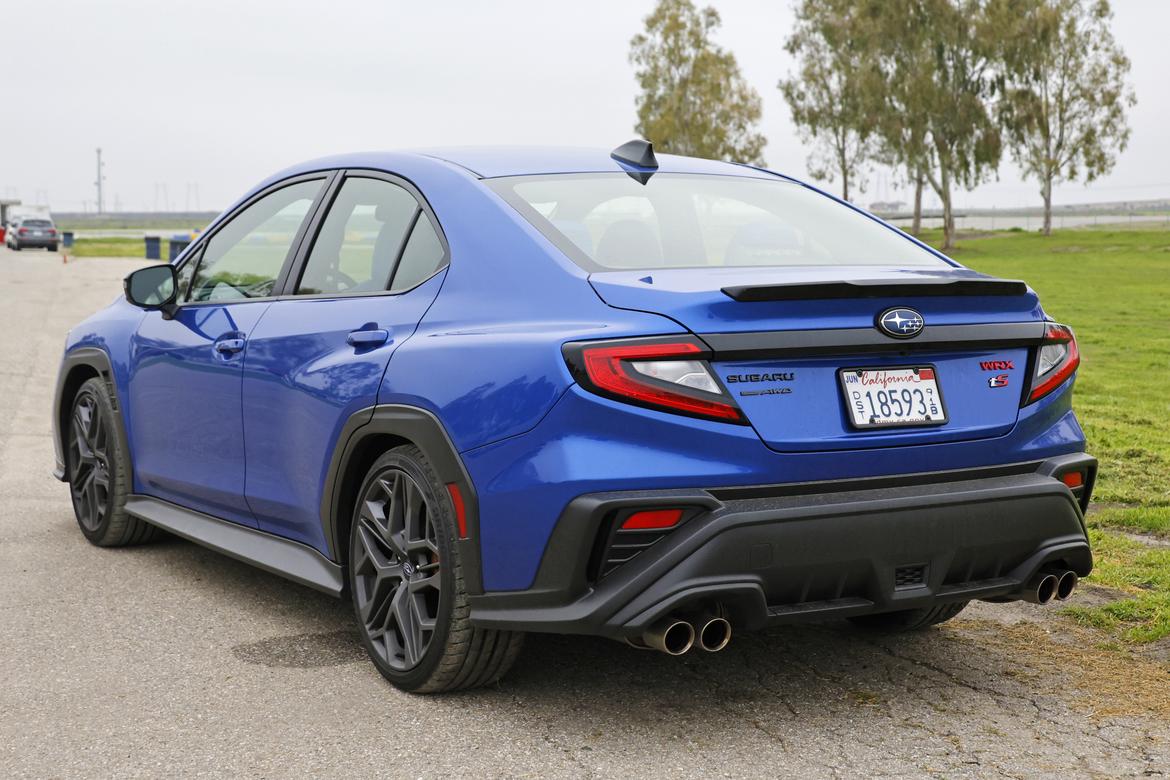
It’s time to answer our original question: Did we find a rational place in the world for a WRX, never mind a nearly $50,000 one? It’s certainly not a bad answer for commuting–in fact, it’s a great one. But we aren’t being honest with ourselves if we don’t wonder if an Elantra N, GR Corolla or Civic Type R would be as good or better of a tool for the job.
The WRX is a bigger, better car than the Corolla, so there’s your answer if you live where it snows and need all-wheel drive. But if you don’t, we’d be hard pressed not to buy the Hyundai or the Honda instead. The WRX’s party trick has always been that magic turbocharged torque, but now every single one of its competitors has beaten it at its own game.

Tom Suddard said:
We’ve got gripes with the infotainment system–it’s a little clunky and a little prone to crashing–but for an economy car, everything felt fine and worked well.
Its $50k and gets terrible gas mileage

TravisTheHuman said:Tom Suddard said:
We’ve got gripes with the infotainment system–it’s a little clunky and a little prone to crashing–but for an economy car, everything felt fine and worked well.Its $50k and gets terrible gas mileage
Glad you caught that...like every generation of WRX, you can tell this is an Impreza.

In reply to Tom Suddard :
Isn't that sort of how most of the Lancer Evos felt?
Yes, they were quick, but if you looked a little too hard, you realized that it was a Lancer first and an Evo second.

In reply to Colin Wood :
Oh, yeah, the WRX felt more premium than the Evo.
Also, is now a bad time to mention that I know someone who was looking at WRX listings last night?

I also spent some time in the WRX tS with Tom and even from the passenger seat I was underwhelmed. It was the reason I wrote off the WRX from my potential list when I started shopping for a car.

Subaru hit the reset button with the 2026 WRX trims reducing pricing across the board.. but still..
seeing that the WRX starts at $35k after the reduction... just.....wow..

Colin Wood said:In reply to Tom Suddard :
Isn't that sort of how most of the Lancer Evos felt?
Oh no, the Evos felt MUCH cheaper inside than WRXs.

It seems like just a few years back a Civic Si was right at the $20k mark and the WRX right around the $24k mark. Then I looked at price trends and realize that was nearly a decade ago and these cars haven't evolved much in terms of what they offer vs. their huge increase in pricing. But I still think they are both great DDs with lots of livability.

One aspect of the WRX does make sense - I found it to be a bit more spacious than its competitors, especially in the headroom department.
Displaying 1-10 of 24 commentsView all comments on the GRM forums
You'll need to log in to post.