

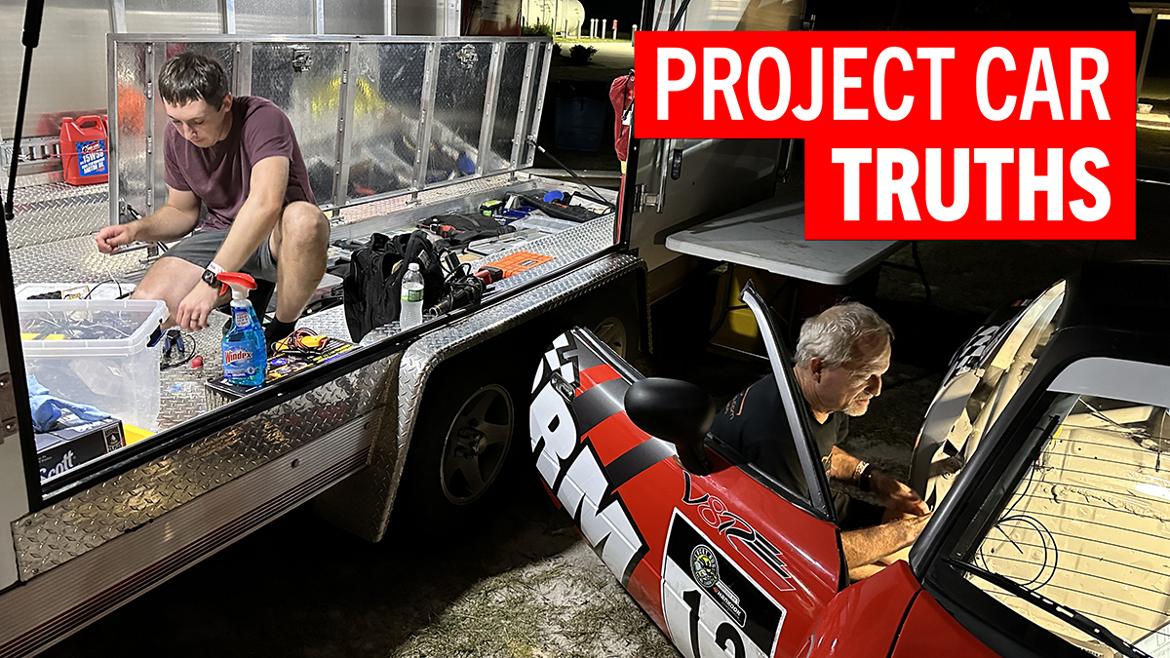



<rubs hands together> oooh, a new rule set to sink my teeth into!


Photography by Tom Suddard
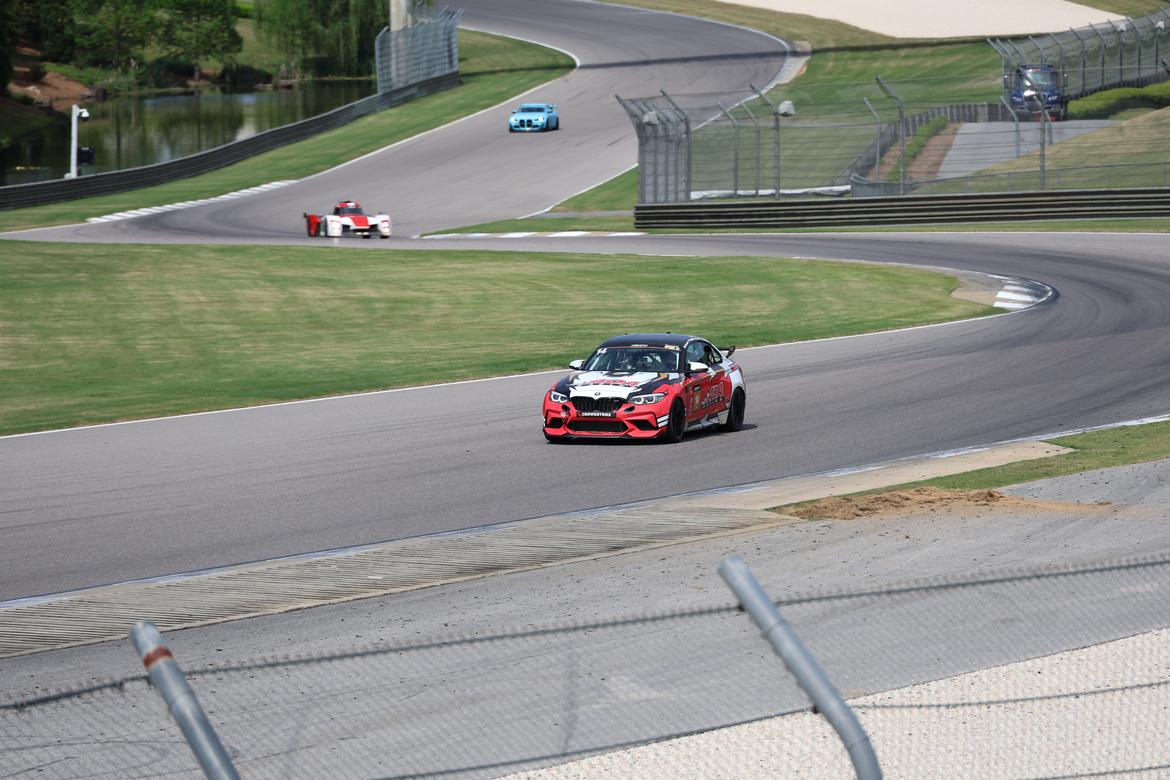
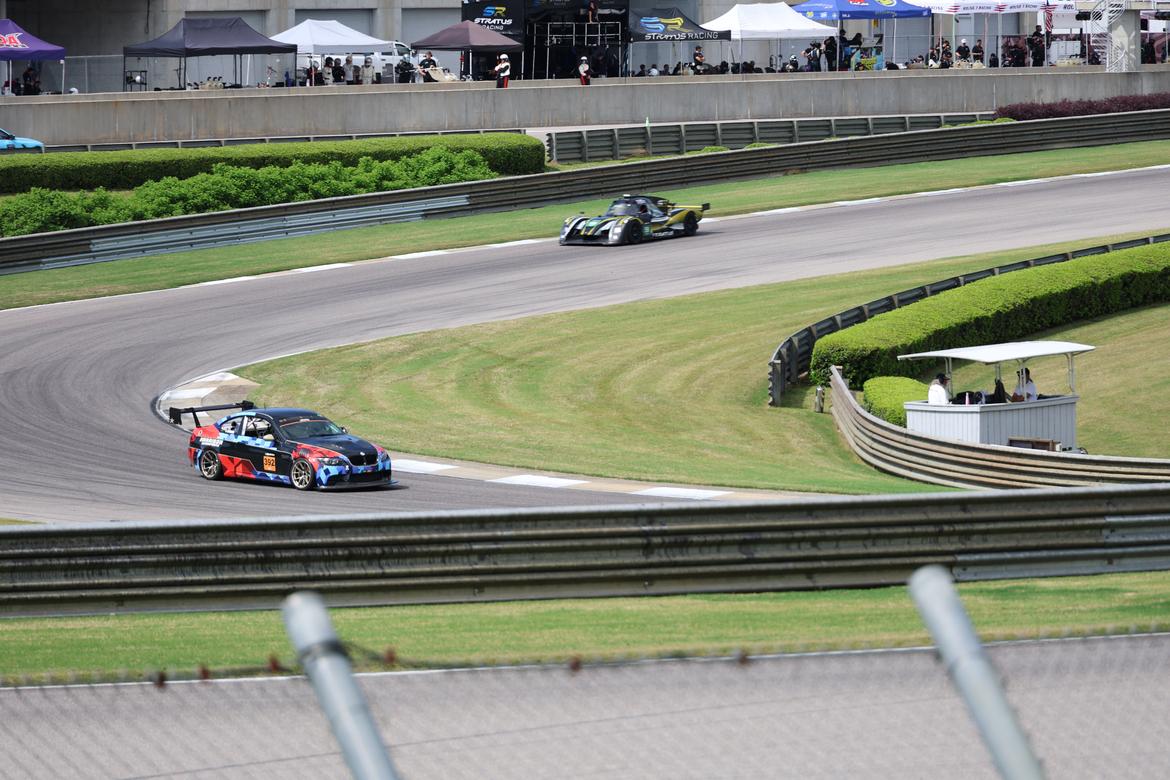
At a basic level, Zenith is an endurance racing series. It’s multi-class, with a mix of production-based cars and prototypes running longer races with multiple drivers. Depending on the weekend, that can mean a race on Saturday and Sunday or a single longer race that runs into the night.
Zenith Racing Series isn’t hiding from big stages, either. This year’s schedule hits places like Road America, Watkins Glen International, Daytona International Speedway, Virginia International Raceway, Sonoma Raceway and Barber Motorsports Park–tracks where people actually want to race.
The biggest takeaway so far isn’t what it is. It’s who it’s choosing to prioritize.
This isn’t a series built around spectators. It’s built around the people in the paddock, and you feel that pretty quickly.
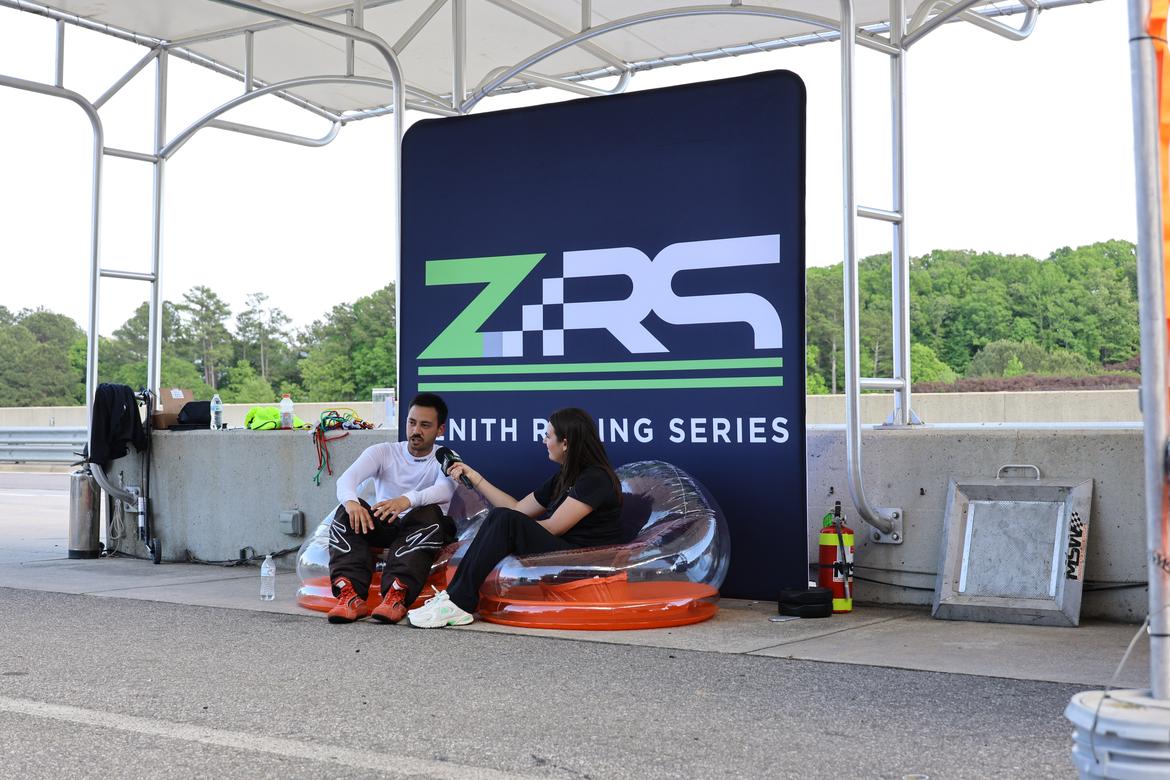
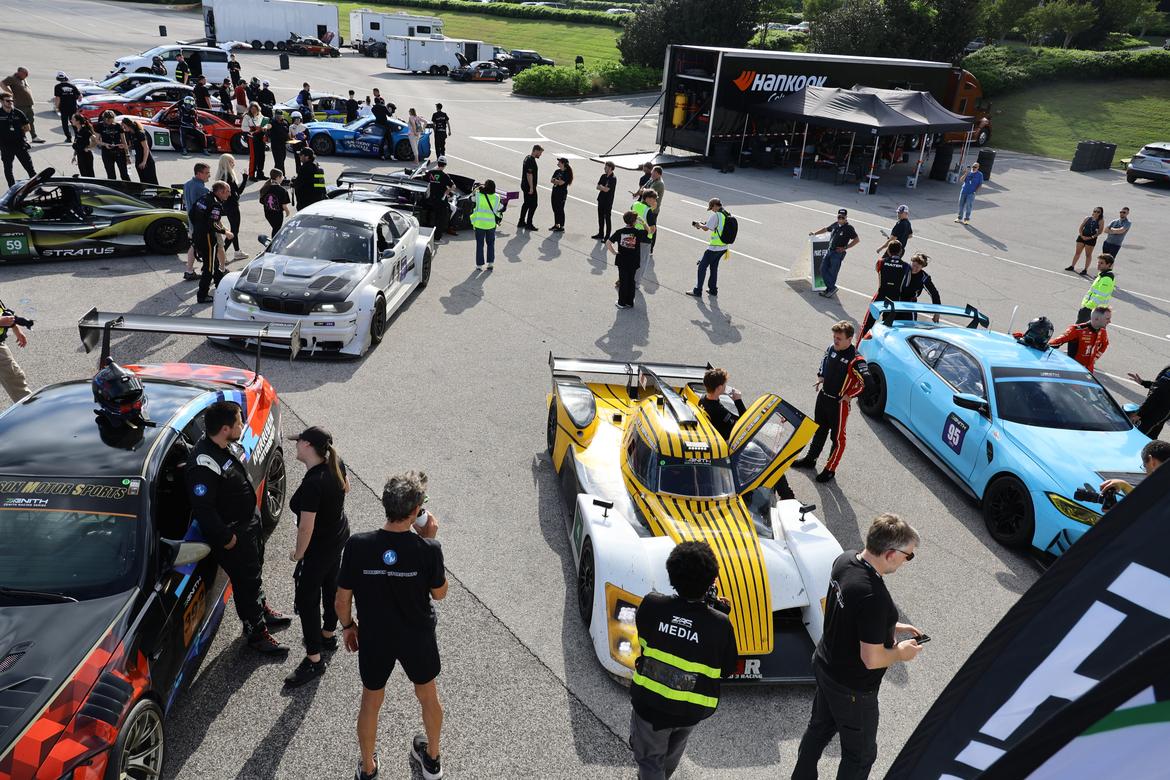
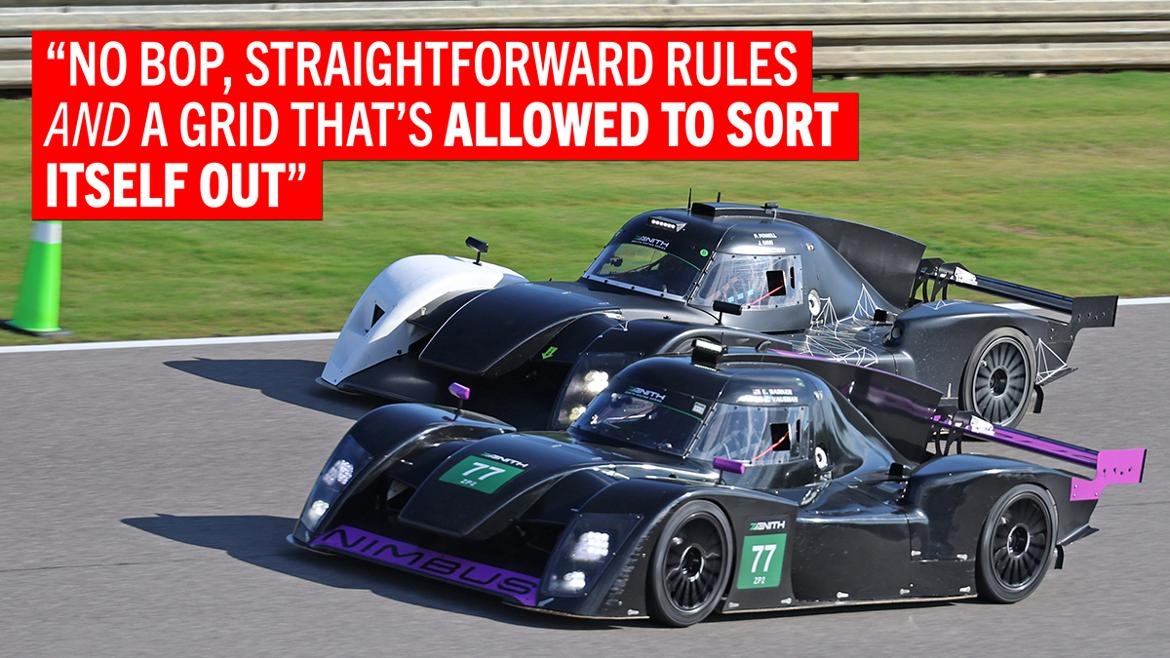
On track, that shows up in the structure. No BoP, straightforward rules and a grid that’s allowed to sort itself out. Some cars are fully dialed, others are still getting there, but it works without feeling overmanaged.
Off track is where this new series really stands out. During a visit to the group’s race at Barber this past weekend, one of the things that stuck with me most was how much attention organizers put into the paddock experience. They hosted a Saturday night gathering for drivers and teams. Nothing overproduced, just a chance for everyone to step away from the cars and actually connect.
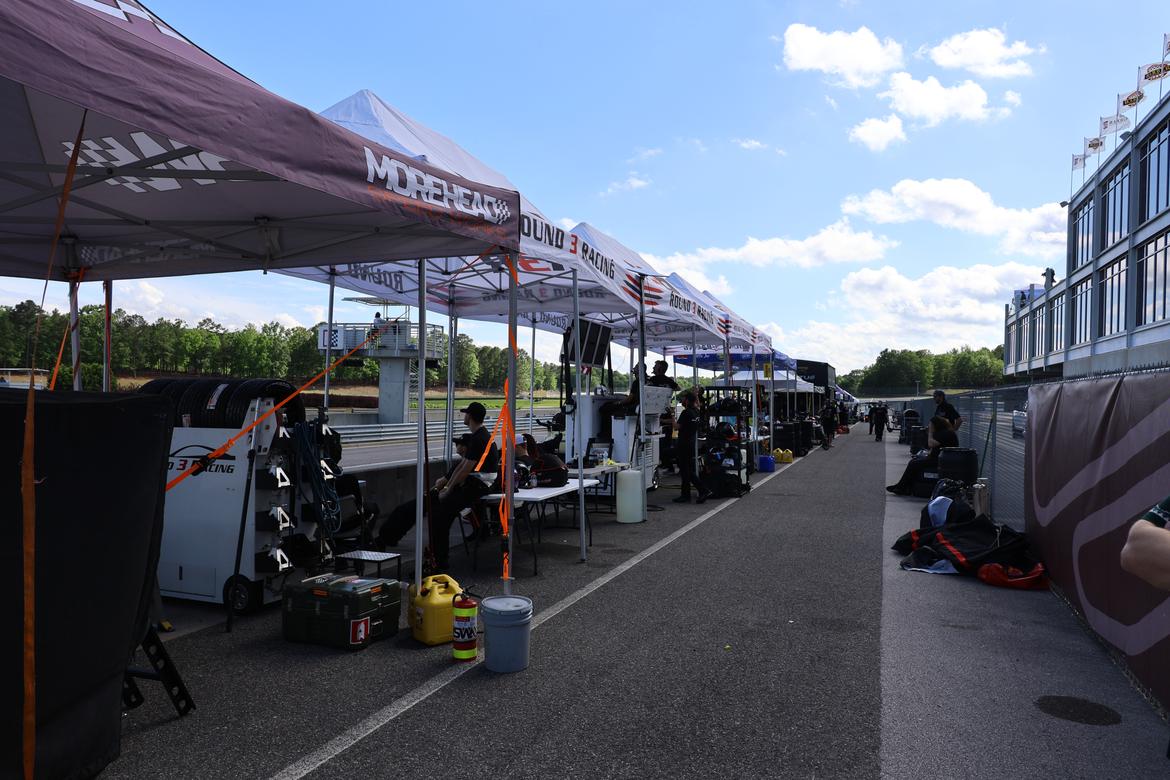
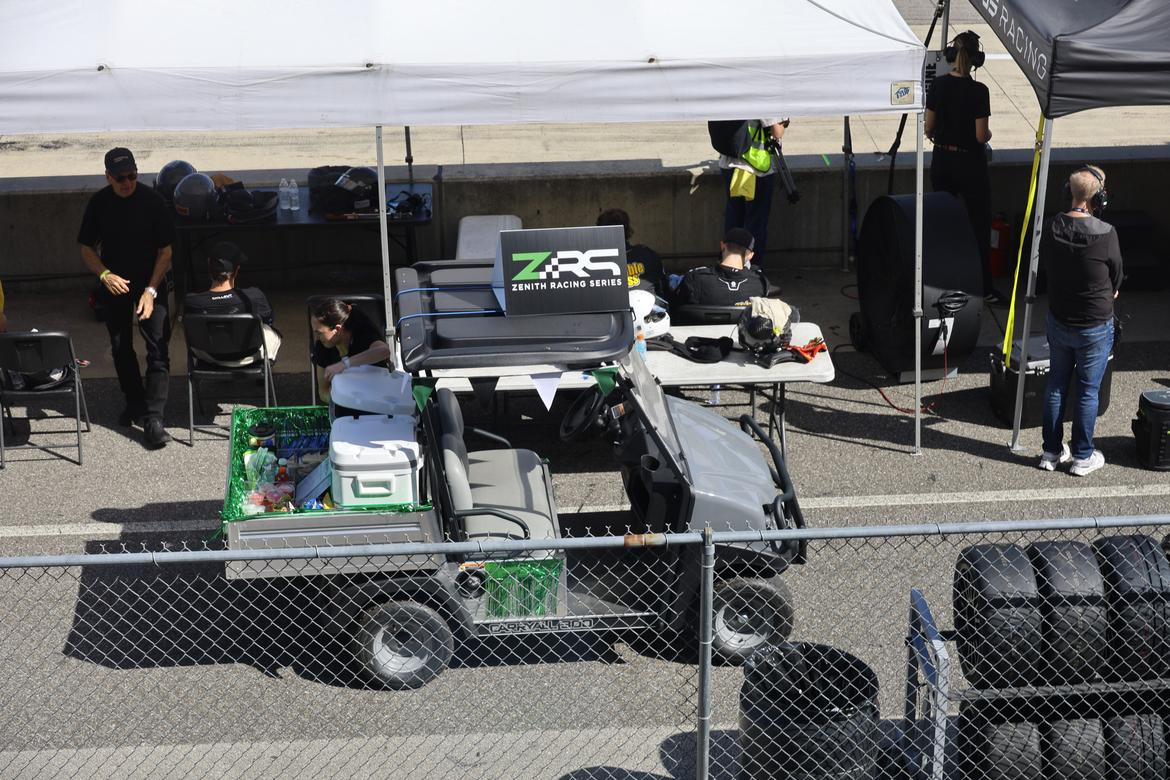
Throughout the day, they had someone moving through pit lane making sure teams had drinks and snacks, basically rolling through to make sure no one’s running on empty. It’s a small detail, but it says a lot about what they’re trying to do. The whole thing feels taken care of in a way you don’t usually see.
It’s not about putting on a show. It’s about creating an environment people want to come back to.

<rubs hands together> oooh, a new rule set to sink my teeth into!

One of the big reasons I run with the vintage organization I do is because of the atmosphere.

I love doing private drift days because I’m not worried about spectators walking off with things, and I can focus on driving. And it’s always nice to have someone with drinks and snacks to make sure everyone is making through the day.
this seems like it should be highlighted in overview:
my $0.02 editorializing being: fast E36 M3 only need apply
I guess it's good to know that GLGT cars have somewhere to go when/if GridLife buckles under its own weight.
edit:
I should probably also note that nocone's Mazda5 (once it has an FIA cage) is currently theoretically legal for ZRS. although, I won't be surprised if lack of a rule stating "shall be powered by a single engine" gets rectified eventually... leading to the unfortunate demise of custom hybrid configurations (front elec, mid-rear ICE, etc).

“On track, that shows up in the structure. No BoP, straightforward rules and a grid that’s allowed to sort itself out.”
care to elaborate?
current vehicle rules are here:
they're 10 pages, with the cover sheet.
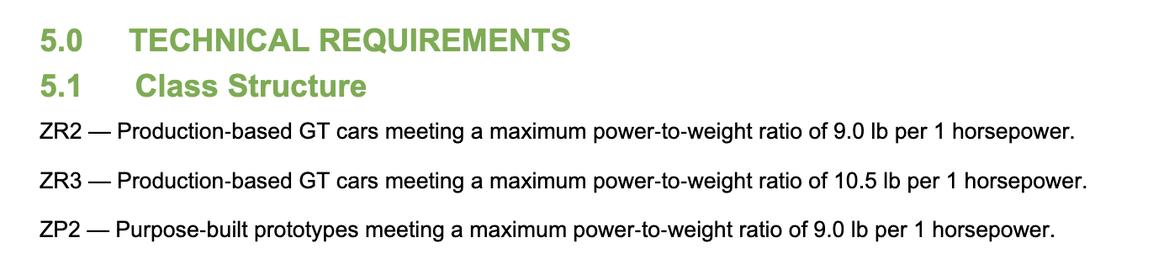
"No BoP" is because they're setting the three classes I've screen grabbed and posed above (GT 10.5:1; GT 9:1; Prototype 9:1). If you bring your 15 lb/hp endurance car, you'll be classed with all the 10.5 lb/hp (and 'slower') cars. Vettes don't get hit with a stick; Strut cars don't get a benefit, and FWD doesn't get 2% to keep up with RWD. Pick your weight-to-power, and figure out how to make it win in that range against whatever else shows up.
only aero limitations are:

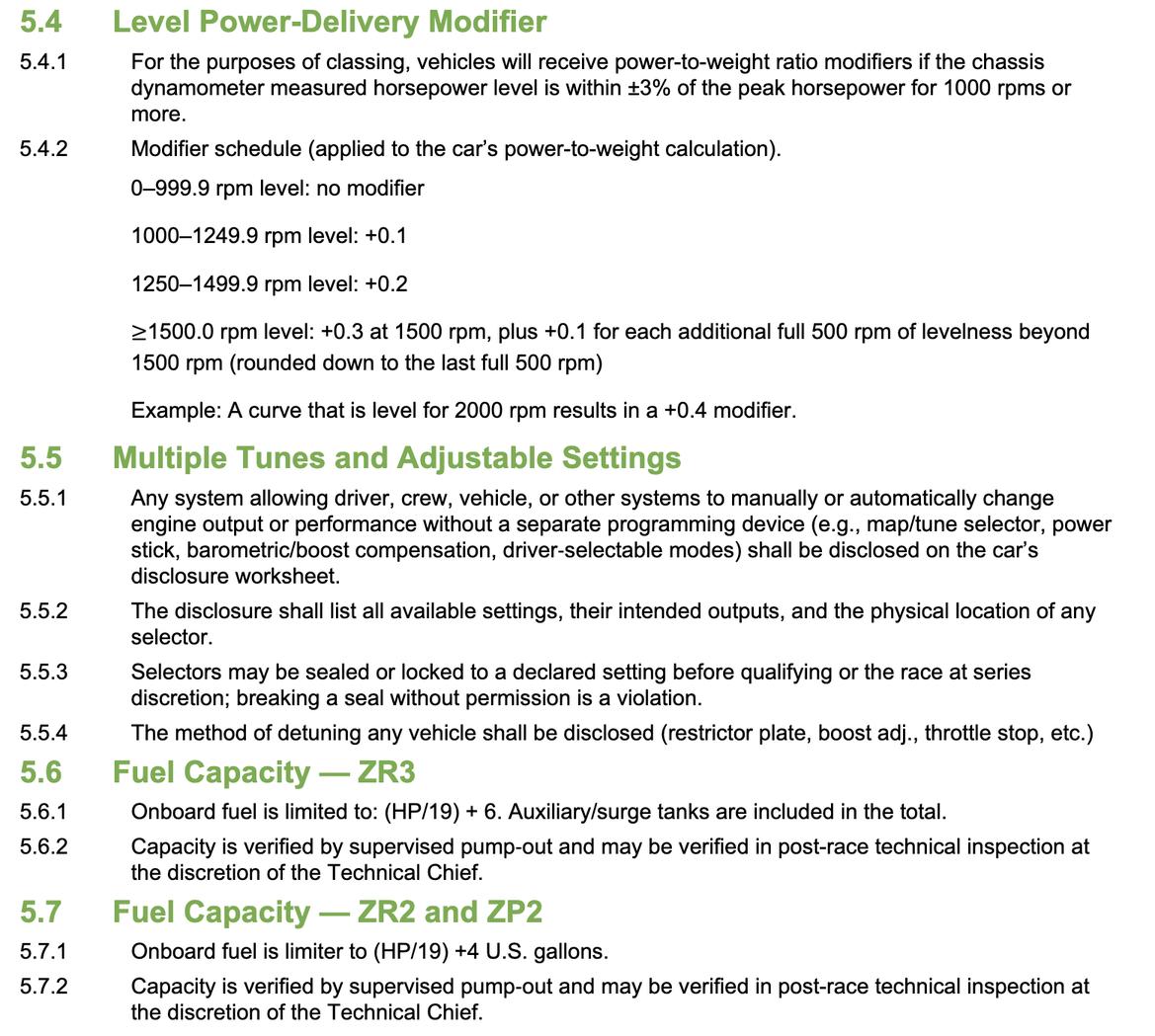
and, while there is "no BOP", there are modifiers for flat tunes and fuel tankage based on rated power:
edit: it strikes me that a lot of carbon fiber and alumalite splitters could be 11.1 'vehicle compliance' protested for being sharp/hazardous? you know, if someone wanted to make a bunch of non-friends.

Really pleased to see someone taking a stand about flat tunes. That always seemed like a very unsporting way around the rules, particularly when there were cars severely detuning to get there.
In reply to JG Pasterjak :
maybe? Arguably GridLife is taking a firmer stand, since their flat tune adjustments in GLTC and GLGT are progressively more harsh has whp is increased. Whereas these are flat percentage… which will tend to favor heavier cars.
I guess the question ultimately being, how much does a 4% -5% weight penalty slow down a car during an endurance run via fuel/tire/brake consumption?
I could easily see a prototype car detuning a more powerful engine to 9.4:1, with a 2000rpm flat tune being able to walk away from a 9:1 peaky motor… with the 9.4:1 using less fuel via the detune?
of course, the only way to really know for sure is to make the car technical informations public, along with the track data and results. But, I haven’t come across a series that committed to anywhere near that level of transparency yet.

On the "flat tune" thing, IMHO NASA Super Touring did it right, everyone else is getting it wrong. Define a method for measuring power that isn't just the peak number -- sample it at multiple RPM points across the rev band, take an average of those numbers, and limit the maximum value of that average.
By contrast, the GridLife rules are just terrible because they're much too vague. They talk about "natural" tunes and limit how long it can be "flat", but they don't specify what those terms MEAN. If I'm running an engine that makes more power than the limit then I have to detune it. Give me a specific set of rules that define what that limit is so I know what to set it to. NASA did it right.
Displaying 1-9 of 9 commentsView all comments on the GRM forums
You'll need to log in to post.


