


What are the emissions implications? SEMA cert? CARB EO?



Photography by Chris Tropea and Tim Suddard
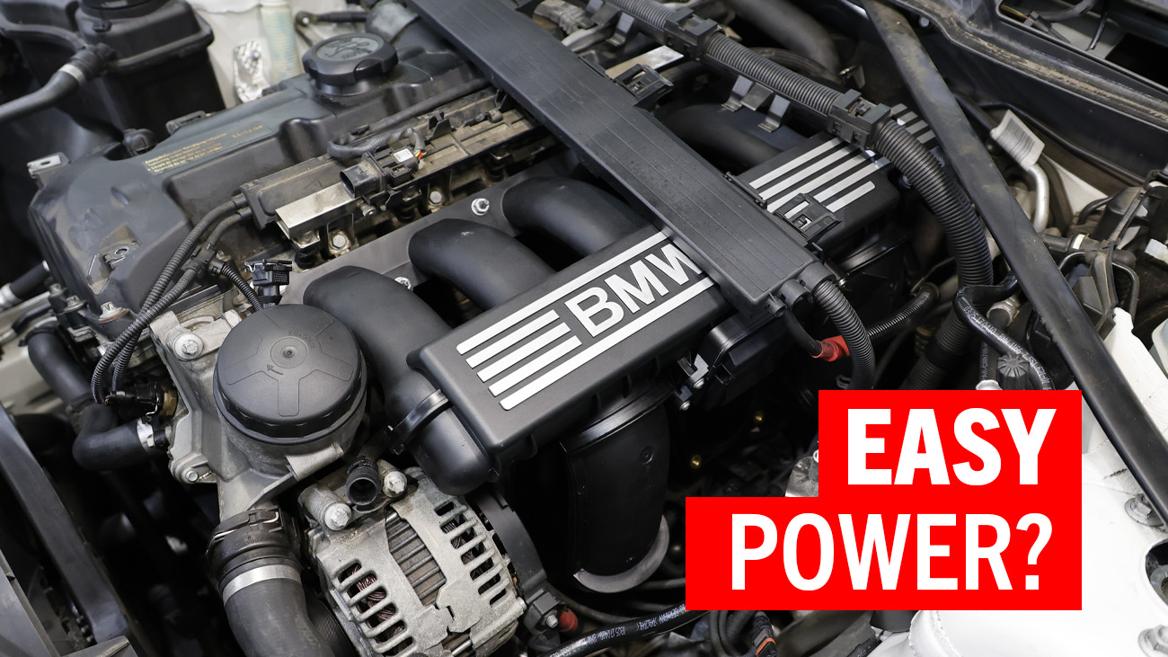
Could a simple intake manifold swap following BMW’s own playbook give our 328i another 25 horsepower? That’s our plan.
When it comes to the E90-chassis BMW, the 325i, 328i and 330i all have the same 3-liter N52 engines. The power difference lies all in the tuning and some minor hardware changes: The 325i was rated at 215 horsepower, the 328i at 230 horsepower and the 330i at 255 horsepower.
Fundamentally, the only difference between the 328i parked in our garage and the more powerful 330i model was the substitution of a three-stage intake manifold that’s controlled by something called a DISA valve–that name for BMW’s Differentiated Intake System comes from the system’s German name, Differenzierte Sauganlage.
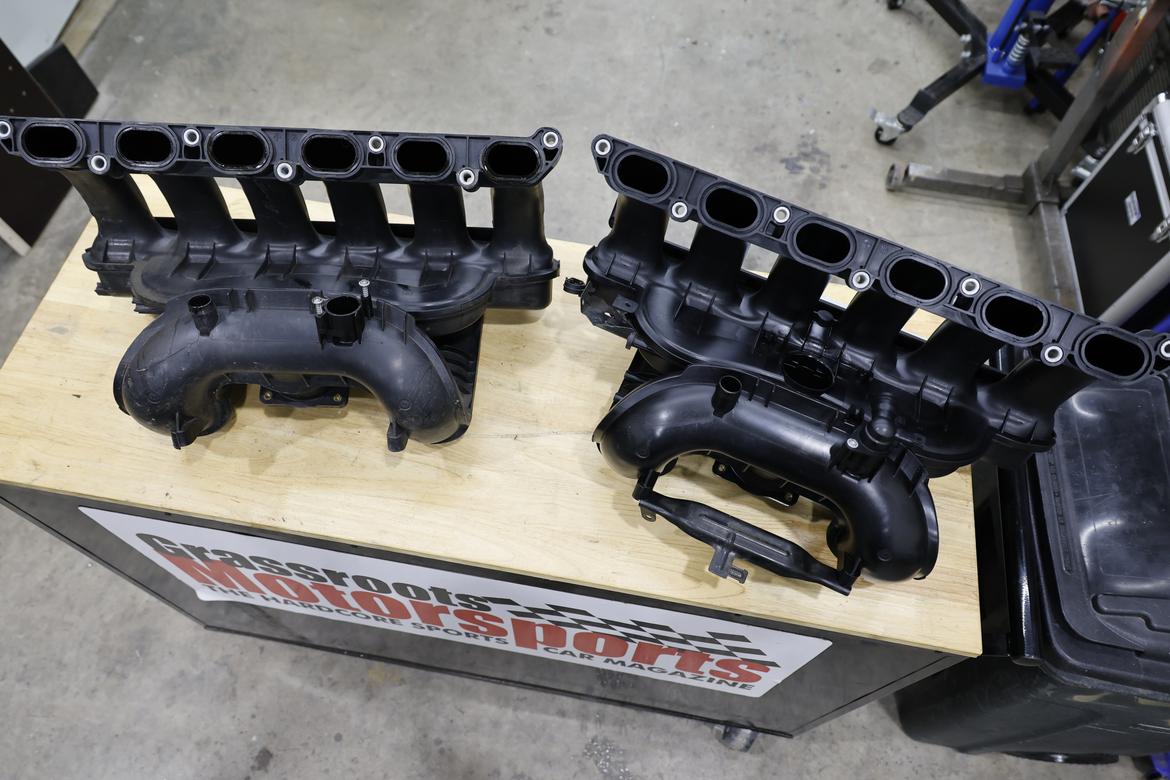
328i intake manifold vs. 330i intake manifold.
These valves create longer runners at low rpm for more torque and then close at high rpm to provide more air volume for more top-end power.
You should find the parts needed for this swap on eBay or at a salvage yard for a few hundred dollars. We went new, however, as BimmerWorld carries URO’s replacement intake manifold. From the BimmerWorld catalog:
“This quality aftermarket intake manifold is an exact direct replica of the 3-stage manifold found on the 2006 E90 330i Sedan, which is also used on N51/SULEV models. This is a very popular power-increasing mod for N52 owners. URO’s advanced composite manufacturing has managed to make a lower-priced option that fits and works just as the original 3SIM (3-stage intake manifold) does from BMW.”
A little more info from BimmerWorld:
“It’s possible to find a used 3-stage manifold through various sources. The manifold itself isn’t a wear part. If it is properly clean, with no hidden debris (visit the ultrasonic cleaner), it should be just fine. But we strongly recommend replacing the DISA valves with new OE parts because they are maintenance items anyway. They degrade over time, and some of the cheap aftermarket versions just don’t work like the genuine BMW or OE stuff.”
Retail price for the new URO intake manifold is $498.99. Then we spent another $541.58 on new upper and lower DISA valves from BimmerWorld. (If you want to do even more with the manifold, BimmerWorld also offers a wealth of other upgrades.)
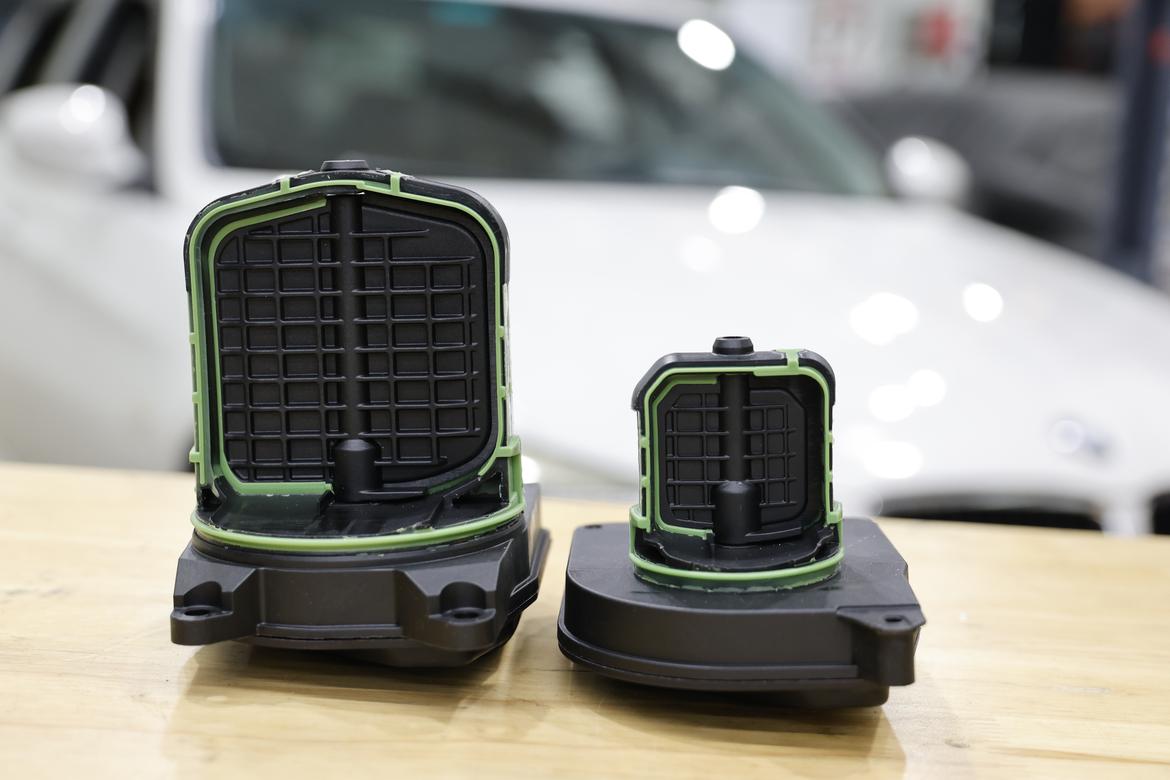
DISA valves.
Installation of this 330i intake manifold and DISA valves is a fairly easy garage project using common hand tools. You can do this.
After disconnecting your battery, you can remove the air box and then move the cabin air filter, power steering pump and a couple of other minor pieces out of the way. Then, unbolt the intake manifold and remove it from the car.
The starter is located under the intake manifold and costs less than $200 to replace. If yours is suspect, now would be a good time to swap in a fresh one.
Now would also be a good time to deal with any oil leaks. The gaskets for the oil filter housing and valve cover, for example, are much easier to replace with the intake manifold removed. (And, obviously, now would be the time to clean up from any leaks.)
The DISA valves simply attach to the 330i intake manifold using some 60mm or 65mm screws. If you are using used parts, you should already have them. If not, check with your local nuts and bolts supplier.
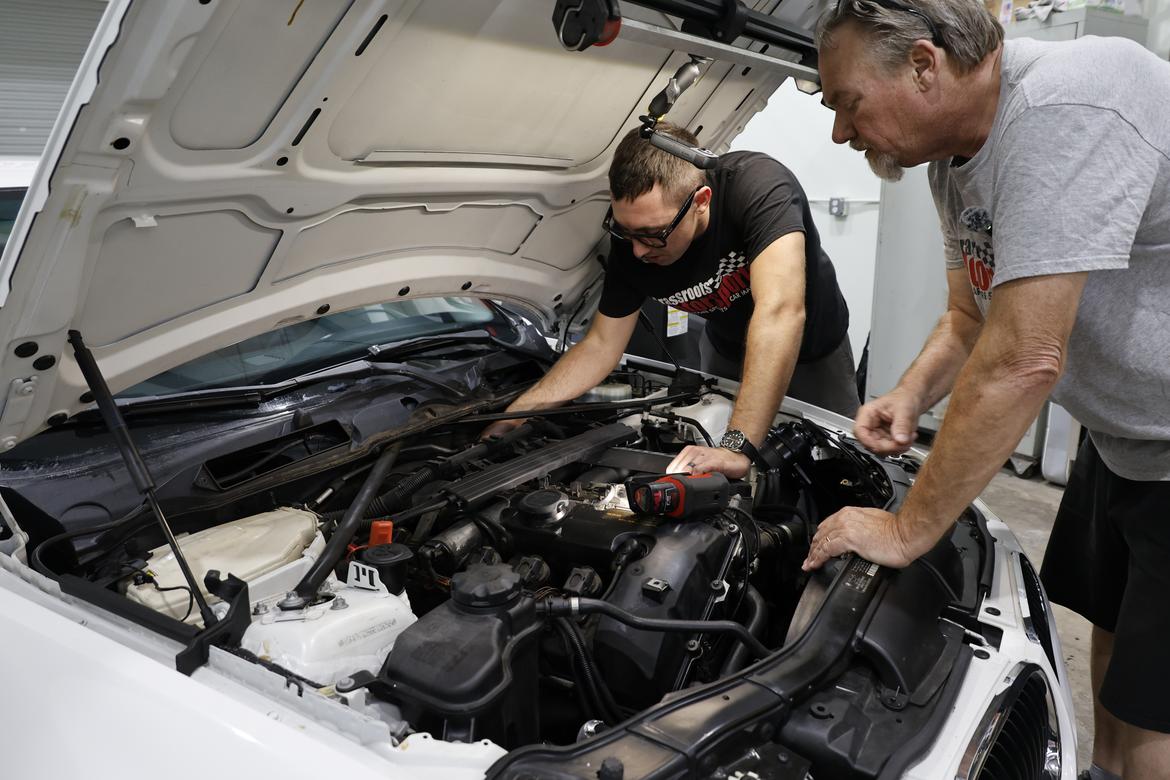
Now you need to reprogram the ECU to tell those DISA valves when to open and close. Epic Motorsports has been tuning BMWs for more than 20 years and even provides the required tune for the popular Spec E9x racing class. Following BimmerWorld’s recommendation, we went with that shop to get our ECU retuned.
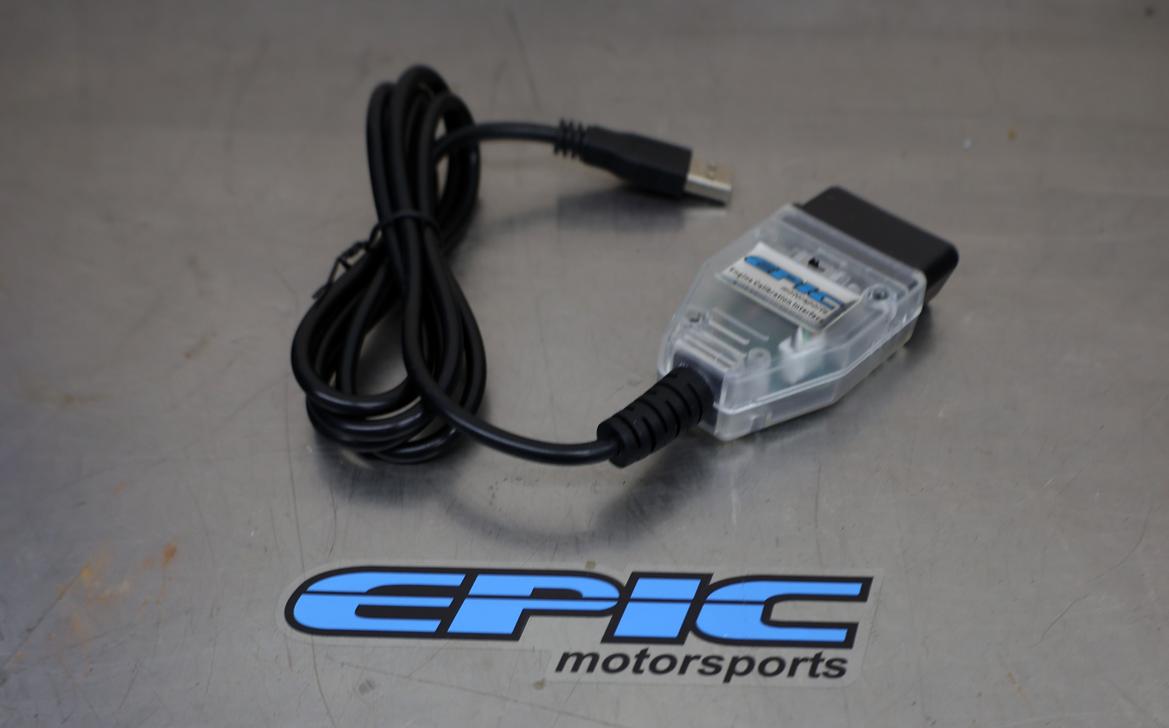
We dealt directly with Randy Mueller, owner of Epic Motorsports. He walked us though the steps–and when we had an issue, likely due to an old shop laptop, he again walked us through everything on a weekend.
Randy emailed us the same tune that his shop uses on the Spec E9x cars. This tune would let our car’s ECU know we had made the jump to the 330i intake and would also optimize the engine to use premium fuel.
Before emailing us the tune, he sent us the correct D-CAN dongle. Once you have the dongle, this new tune is simply emailed to you. You download the file in the email to your laptop and upload the tune via the cable to your OBD II port.
It took about an hour to download and install the software.
Bimmerworld sells this tune for $699, and it includes the D-CAN cable needed to upload the files from your computer.
We have a few other things to do under the hood, and then we can head back to the dyno.

What are the emissions implications? SEMA cert? CARB EO?

$1600 in parts and tuning to get 25 hp? What's the GRM way to do this? Junkyard manifold for $40, skip replacing the valves, then get a $700 tune?

I had the same thought, ouch that’s a lot of scratch for 25 horses.
I think I’ve heard of people using the junkyard option. I didn’t realize the tune was so much.

Junkyard is the way to go for a cheap intake manifold but unless the DISA valves look minty fresh you'd want to replace them. In the 2-stage manifold you are pulling off it still has one DISA valve which can be used in the 3-stage if it is still in good condition. I think you used to be able to find the stock 330i tune online making this very affordable but I don't think that is the case anymore.
roninsoldier83 went through this with his 128i, his thread is very detailed.
Intake Swap starts down the page
His results showed 35hp gained (and gains everywhere), I can't think of another 3.0 litre motor that gains this much while staying NA.
I have a first year 330i, if ever replace it with a 328i I'll be swapping all of these parts over.

I wonder what the difference is on the e83 X3 N52, that car is rated at 272hp from the factory.
Also I am 99% sure that the N52 does not use the throttle body at all for the combustion process and the intake can therefore be removed an straight trumpets run on the engine. I have seen a couple of people doing this with no issues. I believe the throttle body on these engines is probably used as part of the traction control.
N54 intake manifolds are also an option on them.
In reply to Slippery :
The throttle body is there for redundancy so yes, you can remove it and run straight trumpets but if something happens to the eccentric shaft, its motor or its feedback sensor things could get spicy.

You certainly feel the difference on the butt Dyno more than the numbers suggest you would.
FYI - the link to Bimmerworld in the article currently links to an N51 tune instead of an N52 tune.
In reply to Slippery :
Tune and intake manifold I believe is the difference - it's got the 3 stage.
N54 manifold conversion gives slightly better top end but you lose middle and low - much less area under the curve
Displaying 1-9 of 9 commentsView all comments on the GRM forums
You'll need to log in to post.