



Excellent!


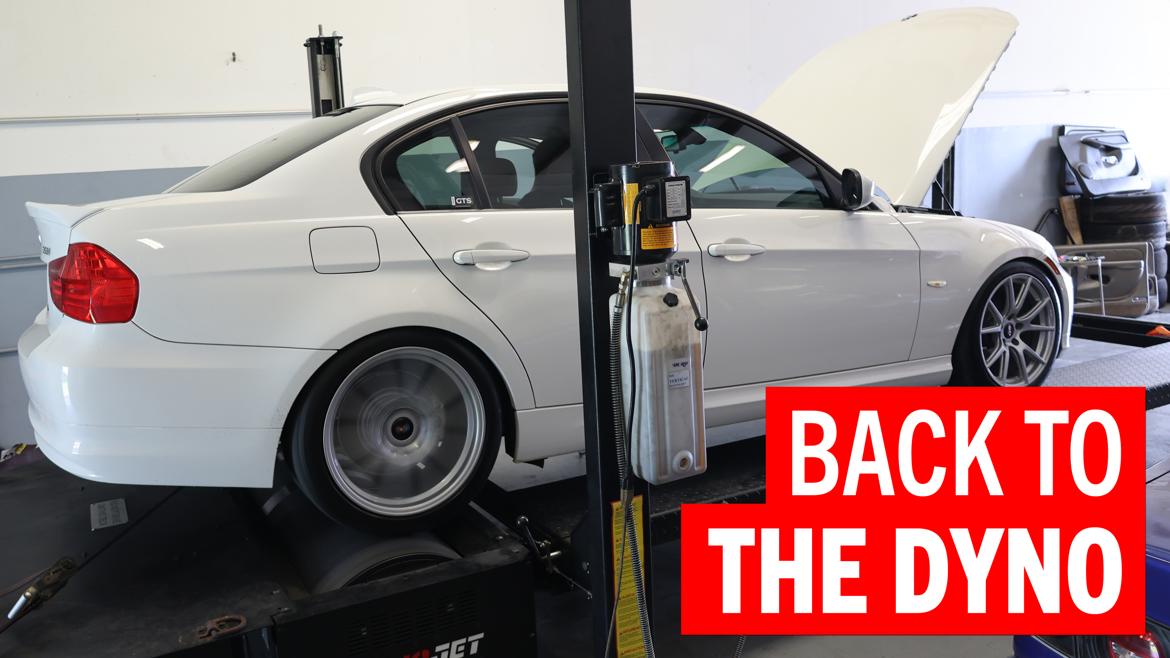
Photograph by Tim Suddard
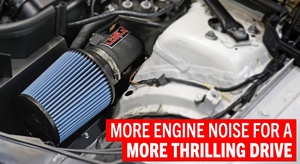
The minute we started our BMW 328i, we knew the work was worth it–the intake, the exhaust, the 330i intake manifold.
The car just sounded better.
Then we took it for a drive. The engine simply howled.
It drove better, too, pulling stronger than before.
We expected the top end to feel better, but the lower-end power felt improved, too.
Highway manners? Happily, once we got out of the throttle at highway speeds, the engine had no drone or objectionable characteristics.
But what did the dyno say? A visit to DeLand Dyno and a trip across its Dynojet provided some new numbers: Peak power at the wheels went from 197.90 to 219.65–an 11% gain–while torque had increased from 185.72 lb.-ft. to 213.13 lb.-ft., so a 15% increase.
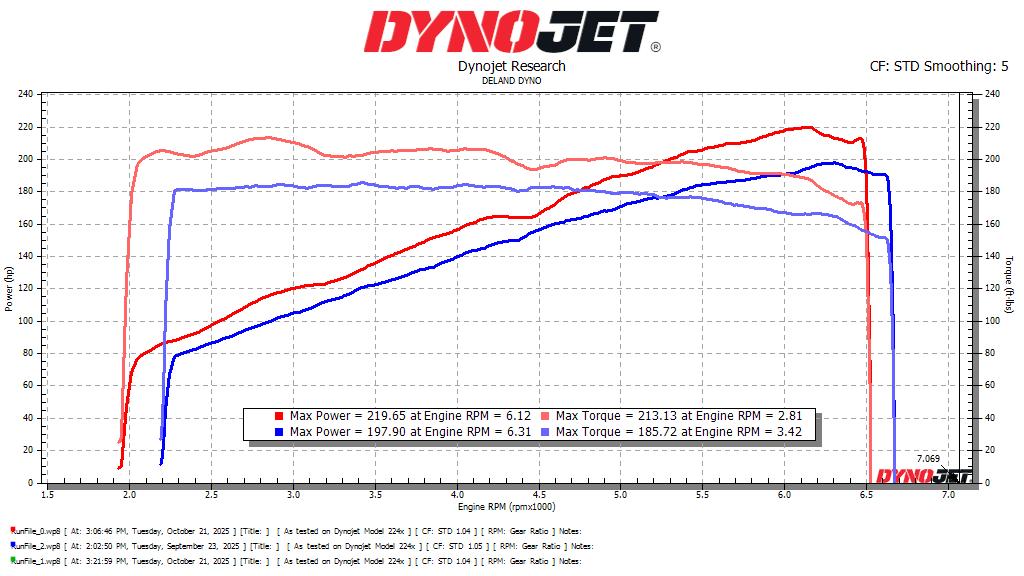
The gains didn’t come just at the top, either, as we now have more power everywhere–and that makes us happy.

Excellent!

I am contemplating an N52 for a project we have in-house, and was hoping to see a bigger power number than 220 whp. That's about what the E46 M54 made when we did a header and cold air. I thought these N52 engines were further along than the M54s... 
We're looking at a long tube header + aftermarket intake on the project we're looking at. And hopefully merging the optional 7-speed DCT from the 335i with an N52... Still researching!

In reply to Fair :
If you think about it, that’s pretty much the same number a S50/52 puts out with an exhaust and intake. So BMW hasn’t made much progress power wise in 30 years…

Fair said:I am contemplating an N52 for a project we have in-house, and was hoping to see a bigger power number than 220 whp. That's about what the E46 M54 made when we did a header and cold air. I thought these N52 engines were further along than the M54s...
We're looking at a long tube header + aftermarket intake on the project we're looking at. And hopefully merging the optional 7-speed DCT from the 335i with an N52... Still researching!
Remember that a dyno in Dayton and a dyno in Daytona will create a WILDLY different numbers. Between the individual mechanical unit you will be fighting altitude, atmosphere, ambient temperature, among other factors.
The rule of thumb is:
- Chose a dyno ship, operator and unit and stick with it.
- Run your base line, save raw and corrected numbers
- Modify/tune
- Run your comparative, save raw and corrected numbers
- Repeat as necessary
- Compare your base line to your comparative, raw vs raw, corrected vs corrected.
Its the only way to truly determine if you are making any difference.

In reply to QuasiMofo (John Brown) :
100%. Focus on A/B testing, not absolute power numbers picked from the internet.
Displaying 1-5 of 5 commentsView all comments on the GRM forums
You'll need to log in to post.